

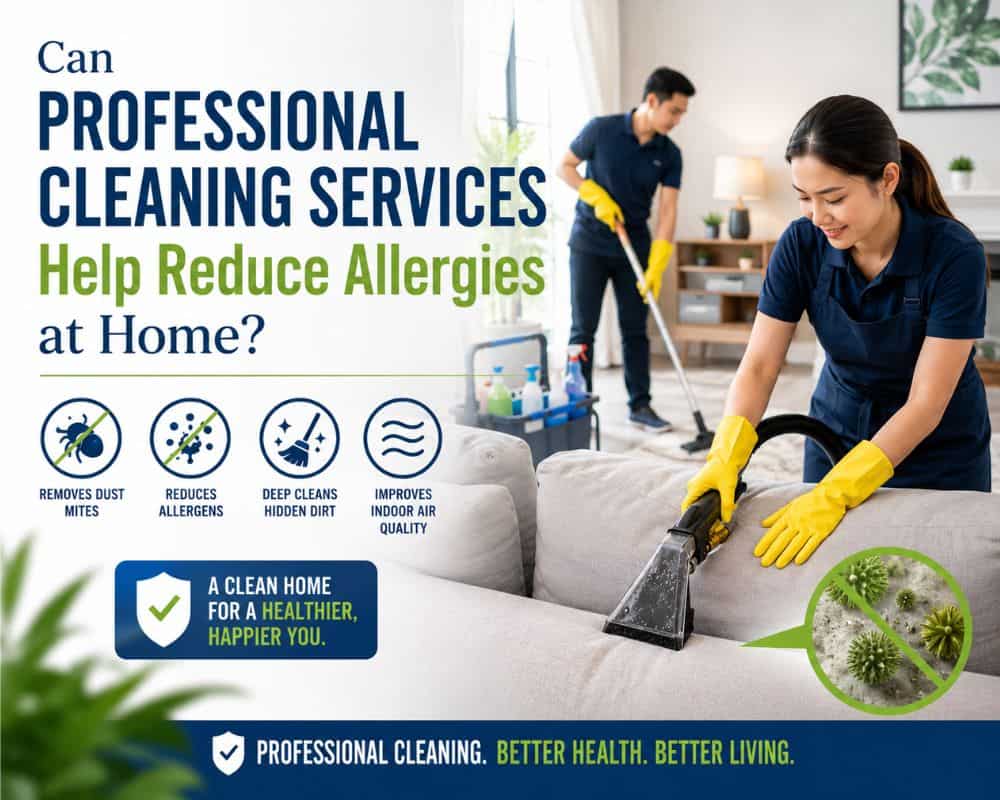
Most households harbor allergens in carpets, upholstery, and ventilation systems that regular cleaning methods simply cannot eliminate. Professional cleaning services use specialized equipment and techniques to target dust mites, pet dander, mold spores, and pollen that trigger allergic reactions, offering relief where standard vacuuming and dusting fall short.
Key Takeaways:
- Professional cleaning services target allergen reservoirs that standard household cleaning often misses, including deep carpet fibers, upholstery crevices, and HVAC systems where dust mites, pet dander, and pollen accumulate. Specialized equipment like HEPA-filtered vacuums captures particles as small as 0.3 microns, preventing allergens from recirculating into the air during the cleaning process.
- The effectiveness of professional allergy reduction depends on service frequency, the severity of existing allergen loads, and whether cleaners use appropriate techniques for specific allergen types. Homes with pets or located in high-pollen areas typically require monthly deep cleaning sessions to maintain meaningful allergen reduction, while seasonal or quarterly services may suffice for milder cases.
- Professional cleaning produces measurable improvements in indoor air quality within 24 to 48 hours of service, though lasting results require combining professional treatments with daily practices like removing shoes at entry points, washing bedding in hot water weekly, and maintaining humidity levels below 50 percent to inhibit dust mite reproduction.
Understanding Types of Common Indoor Allergens and Professional Removal
Your home harbors invisible irritants that trigger respiratory symptoms and skin reactions year-round. Professional cleaners target these allergens using methods far beyond standard vacuuming and dusting. The specialized approach addresses particles invisible to the naked eye.
- Dust mites thrive in bedding, upholstery, and carpets
- Pet dander accumulates on surfaces and circulates through air systems
- Mold spores develop in damp areas like bathrooms and basements
- Pollen enters through windows and clings to fabrics
- Cockroach droppings contaminate kitchens and hidden spaces
| Allergen Type | Professional Removal Method |
| Dust Mites | Hot water extraction with temperatures above 130°F kills colonies in carpets and furniture |
| Pet Dander | HEPA-filtered vacuums capture microscopic particles from all surfaces and air ducts |
| Mold Spores | Antimicrobial treatments eliminate growth and prevent recurrence in moisture-prone areas |
| Pollen | Microfiber cloths and electrostatic dusters trap particles without dispersing them airborne |
| Pest Allergens | Deep sanitation removes droppings and residue from crevices and behind appliances |
Identifying Microscopic Triggers: Dust Mites, Pet Dander, and Mold Spores
Dust mites concentrate where you sleep and sit, feeding on dead skin cells in mattresses and cushions. Pet dander persists months after animals leave, embedding itself in carpet fibers and ventilation systems. Mold releases spores in bathrooms, basements, and anywhere moisture accumulates without proper ventilation.
Specialized Equipment: HEPA Filtration and Industrial Grade Steam Cleaners
HEPA filters capture 99.97% of particles as small as 0.3 microns, trapping allergens standard vacuums recirculate. Steam cleaners reach temperatures that sanitize surfaces while killing dust mites and bacteria without harsh chemicals.
Professional-grade equipment operates at power levels unattainable with consumer models. Commercial steam units generate sustained heat between 200-300°F, penetrating deep into carpet padding and upholstery where allergens accumulate. HEPA vacuums used by professional services feature sealed systems preventing any particle escape during operation, unlike retail versions that often leak unfiltered air. These machines also include specialized attachments designed for crevices, upholstery, and hard-to-reach areas where allergens concentrate. The combination of high-temperature steam and true HEPA filtration creates a two-pronged attack that removes existing allergens while sanitizing surfaces to prevent future buildup.
Crucial Factors That Determine the Success of Allergy-Focused Cleaning
Several variables influence how effectively professional cleaning reduces allergen loads in your home. Your home’s ventilation system, the presence of pets, the type of flooring, and the age of your upholstery all play significant roles in determining how quickly allergens accumulate and how thoroughly they can be removed. Recognizing these factors helps you work with cleaners to develop a targeted strategy.
- Ventilation system efficiency and filter quality
- Presence and number of pets in the household
- Flooring materials (carpet versus hard surfaces)
- Age and condition of furniture and textiles
- Outdoor pollen levels and seasonal variations
- Indoor humidity and moisture control
Frequency of Service and Environmental Humidity Levels
Scheduling professional cleaning every two to four weeks provides optimal allergen control for most households, though pet owners may benefit from more frequent visits. Humidity levels between 30 and 50 percent prevent dust mites from thriving while avoiding the dryness that stirs up airborne particles. Your cleaning service can assess moisture levels and recommend dehumidifier placement if needed.
The Role of Green Cleaning Agents in Preventing Chemical Sensitivities
Plant-based cleaning solutions eliminate allergen triggers without introducing harsh chemical irritants that can worsen respiratory symptoms. Many conventional cleaners contain volatile organic compounds that linger in the air and aggravate sensitivities. Professional services using certified green products protect your indoor air quality while still achieving thorough disinfection.
Your body’s reaction to cleaning chemicals can be just as problematic as the allergens themselves, particularly if you have asthma or multiple chemical sensitivity. Green cleaning agents derived from ingredients like citrus, vinegar, and plant enzymes break down allergens effectively without releasing irritating fumes or leaving residues on surfaces. These formulations carry third-party certifications from organizations that verify low toxicity and environmental safety standards. Professional cleaners trained in green methods understand which products work best for specific allergens (such as enzyme cleaners for pet dander) and apply them at proper concentrations to maximize effectiveness without compromising air quality.
Pros and Cons of Investing in Professional Allergy Mitigation
Weighing the advantages against potential drawbacks helps you make an informed decision about professional allergy-focused cleaning services. Your household’s specific needs, budget constraints, and severity of allergy symptoms will determine whether this investment aligns with your priorities and resources.
| Pros | Cons |
| Specialized equipment removes allergens more effectively than consumer-grade tools | Higher upfront costs compared to DIY cleaning methods |
| Trained technicians identify hidden allergen sources in overlooked areas | Requires scheduling and coordinating access to your home |
| HEPA filtration systems capture microscopic particles standard vacuums miss | Results may vary depending on service provider quality |
| Reduces time and physical effort for allergy sufferers | Ongoing maintenance visits needed to sustain benefits |
| Professional-grade products target specific allergen types effectively | Some services may use chemicals that trigger sensitivities |
| Comprehensive cleaning reaches difficult areas like air ducts and high surfaces | Not a complete solution without lifestyle and environmental changes |
| Documented improvement in respiratory symptoms for many clients | Benefits diminish without regular follow-up treatments |
| Customizable plans address your household’s unique allergen profile | May require multiple sessions before noticeable symptom relief |
Long-term Health Benefits and Improved Indoor Air Quality
Professional allergy mitigation creates lasting improvements in respiratory health by consistently reducing airborne particulates and surface allergens. Your family members may experience fewer asthma attacks, reduced medication dependency, and better sleep quality when allergen levels remain controlled through regular professional intervention.
Budgetary Considerations and Maintenance Requirements
Services typically range from one-time deep cleans to monthly maintenance contracts, each with different pricing structures. Your investment depends on home size, allergen severity, and frequency of visits required to maintain acceptable air quality standards.
Calculating the true cost involves comparing service fees against potential medical expenses, lost productivity from allergy symptoms, and the value of your time. Many providers offer package deals that reduce per-visit costs when you commit to quarterly or biannual schedules. Your budget should account for both the professional cleaning sessions and any recommended equipment purchases, such as allergen-proof bedding covers or air purifiers that complement the service. Some insurance plans or health savings accounts may cover portions of medically necessary allergen mitigation services when prescribed by a physician. Maintenance between professional visits still requires your participation through regular vacuuming with HEPA filters, prompt spill cleanup, and humidity control to prevent mold growth.
A Step-by-Step Overview of the Professional Deep Cleaning Process
Professional cleaning teams follow a systematic approach to eliminate allergens from every corner of your home. Each stage targets specific sources of irritation, from airborne particles to embedded contaminants in fabrics and ventilation systems.
| Stage | Focus Area |
| Assessment | Identifying allergen hotspots and surface conditions |
| High-Surface Dusting | Ceiling fans, light fixtures, vents, and upper walls |
| Deep Extraction | Carpets, upholstery, and HVAC components |
| Sanitization | Hard surfaces, baseboards, and frequently touched areas |
| Final Inspection | Quality verification and client walkthrough |
Initial Site Assessment and High-Surface Dusting Protocols
Technicians begin by surveying your space to locate dust accumulation patterns and moisture-prone areas that harbor mold spores. High-reach tools with microfiber attachments capture particles from ceiling corners, crown molding, and air return grilles before they resettle on lower surfaces.
Deep Extraction for Carpets, Upholstery, and HVAC Systems
Hot water extraction removes dust mites, pet dander, and pollen embedded deep within carpet fibers and furniture padding. Specialized vacuum attachments access air ducts and vents, pulling out accumulated debris that standard cleaning methods cannot reach.
Your HVAC system circulates air throughout your home dozens of times daily, making duct sanitation imperative for long-term allergen control. Professional-grade equipment applies controlled suction and agitation to dislodge years of buildup without damaging delicate ductwork. Upholstery cleaning uses pH-balanced solutions that break down protein-based allergens like skin cells and pet saliva while preserving fabric integrity. Carpet extraction typically involves multiple passes with heated water to flush out contaminants, followed by high-powered drying to prevent moisture retention that could encourage mold growth.
Expert Tips for Maintaining an Allergen-Free Environment Between Visits
Consistency between professional cleanings determines how well you control allergen accumulation in your living space. Your daily routines should focus on preventing dust buildup, managing humidity levels, and controlling pet dander distribution throughout rooms.
- Vacuum high-traffic areas at least three times weekly using HEPA-filtered equipment
- Keep indoor humidity between 30-50% to discourage dust mite proliferation
- Wash throw blankets and cushion covers every two weeks in hot water
- Replace HVAC filters monthly during peak allergy seasons
Recognizing which surfaces collect the most allergens helps you prioritize your maintenance efforts.
Implementing Effective Daily Cleaning Habits and Entryway Controls
Entryway protocols prevent outdoor allergens from spreading through your home before they become embedded in carpets and upholstery. Place washable mats both outside and inside each entrance, removing shoes immediately upon entry to contain pollen, mold spores, and dirt particles. Wipe down pets’ paws with damp cloths after outdoor activities, and designate a specific area near the door for coats and bags that have contacted outdoor allergens.
Managing Bedding Sanitization and Air Purification Strategies
Bedding requires weekly washing in water heated to at least 130°F to eliminate dust mites and their waste products effectively. Encase mattresses and pillows in allergen-proof covers with pore sizes smaller than 10 microns, creating a barrier against microscopic irritants. Position HEPA air purifiers in bedrooms where you spend extended hours, running them continuously on appropriate settings for room size.
Air purification systems work most effectively when placed strategically throughout your home rather than relying on a single unit. You should position purifiers away from walls and furniture to maximize airflow, ensuring the device can process air from multiple directions. Clean or replace filters according to manufacturer specifications, as clogged filters reduce efficiency and may redistribute trapped allergens back into your environment. Running purifiers during sleep hours provides the greatest benefit since you spend prolonged periods in bedrooms, and the units can operate at higher speeds without causing noise disruptions during waking activities.
Summing Up
Professional cleaning services can significantly reduce allergens in your home through specialized equipment, proven techniques, and trained expertise that surpass typical household cleaning. You’ll benefit most when you combine regular professional deep cleans with consistent daily maintenance, proper ventilation, and allergen-proof bedding. Your investment yields measurable improvements in indoor air quality and symptom relief, particularly if you select certified providers who use HEPA filtration and allergen-specific protocols tailored to your household’s needs.
Frequently Asked Questions (FAQ)
How often should I schedule professional cleaning services to keep allergens under control?
The frequency depends on your specific allergy triggers and household conditions. Homes with pets, high humidity, or family members with severe allergies typically benefit from professional deep cleaning every four to six weeks. Standard maintenance cleaning on a weekly or biweekly basis helps manage surface dust and dander between intensive treatments. Seasonal changes also influence scheduling, as spring and fall bring increased pollen infiltration requiring more frequent attention to window tracks, HVAC systems, and entry areas. Carpeted homes accumulate allergens faster than those with hard flooring, sometimes necessitating monthly steam cleaning. Professional cleaners can assess your environment during an initial visit and recommend a customized schedule based on allergen testing results, the severity of symptoms, and visible dust accumulation patterns.
What specific cleaning methods do professionals use that I can’t replicate on my own?
Professional services employ HEPA-filtered vacuums that capture 99.97% of particles as small as 0.3 microns, compared to standard household vacuums that often recirculate fine allergens back into the air. Commercial-grade steam cleaners reach temperatures above 200°F, hot enough to kill dust mites and their eggs embedded deep in upholstery and mattresses. Trained technicians use specialized tools to clean inside air ducts, behind radiators, and on top of ceiling fans where allergens concentrate but homeowners rarely reach. They apply encapsulation treatments to carpets that crystallize allergen particles for easier removal rather than simply pushing them deeper into fibers. Professional-strength antimicrobial solutions target mold spores in bathrooms and basements without the harsh fumes of retail products. The systematic approach covers often-missed areas like baseboards, light fixtures, and the tops of door frames where dust settles unnoticed.
Will professional cleaning eliminate my allergies completely or just reduce symptoms?
Professional cleaning reduces allergen loads significantly but cannot eliminate allergies themselves, as the condition stems from immune system sensitivity rather than environmental factors alone. Regular professional service can lower indoor allergen concentrations by 60-80%, which often translates to noticeably fewer symptoms like sneezing, congestion, and itchy eyes for most people. The relief varies based on which allergens trigger your reactions and whether sources exist outside your control, such as outdoor pollen entering through windows or allergens brought home on clothing. People with dust mite allergies typically experience the most dramatic improvement since these allergens are entirely indoor-based and controllable through consistent cleaning. Those allergic to pet dander may still experience symptoms if animals remain in the home, though professional removal of accumulated dander from surfaces and fabrics does provide measurable relief. Combining professional cleaning with other strategies like air purifiers, allergen-proof bedding covers, and humidity control produces the best outcomes for long-term symptom management.


